Cooling Tower Fill Guide Selection Materials Performance Use
Introduction to Cooling Tower Fill Systems
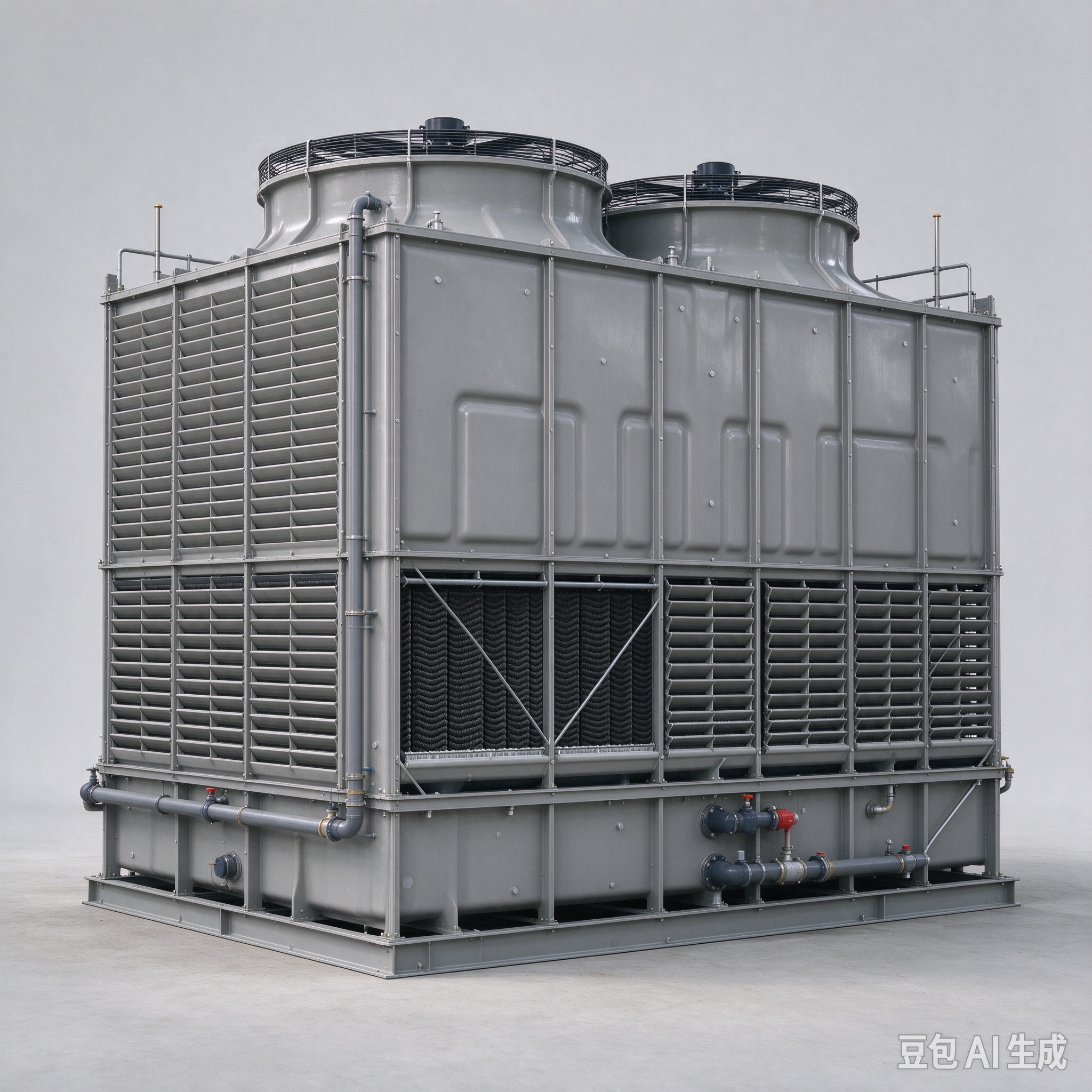
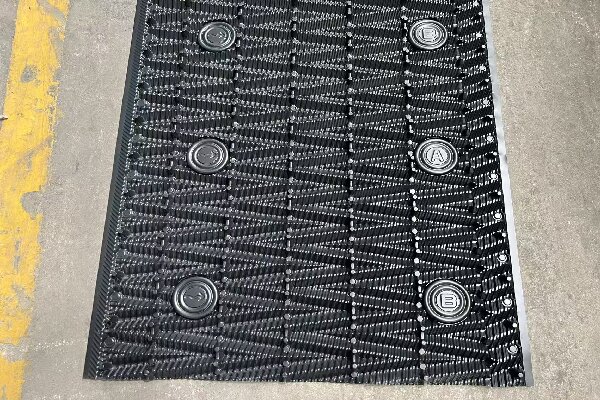
Cooling tower fill is a key heat exchange component used in evaporative cooling systems. It enhances thermal performance by increasing water and air contact surface area. In industrial practice, cooling tower fill media is also referred to as cooling tower packing or cooling tower media, and it is essential for system efficiency and stable operation.
Cooling tower fill is widely applied in HVAC cooling tower fill systems, industrial cooling tower fill equipment, and process cooling installations. Its structural design directly affects heat transfer rate, energy consumption, and long term maintenance requirements.
Heat Exchange Process in Cooling Tower Fill
The cooling process in cooling tower fill media relies on thin water film formation or droplet breakup. As water flows over cooling tower fill sheets, air passes through the packing structure and removes heat through evaporation.
This process is fundamental in commercial cooling tower fill systems, power plant cooling tower fill units, and chemical plant cooling tower fill operations where continuous cooling demand is required.
Cooling Tower Fill Types Overview
Film Type Fill Structure
Film type cooling tower fill uses PVC fill media or polypropylene cooling tower fill surfaces to form continuous water films. This increases evaporation efficiency and improves thermal performance.
This type is commonly used in HVAC cooling tower fill systems and commercial cooling tower fill environments with relatively clean water conditions.
Splash Type Fill Structure
Splash type cooling tower fill uses impact surfaces to break water into droplets. Cooling tower fill blocks are arranged to maximize contact between air and water.
This structure is suitable for steel plant cooling tower fill systems, mining cooling tower fill applications, and refinery cooling tower fill systems with high impurity levels.
Structured Fill System
Structured cooling tower fill consists of cooling tower fill modules assembled from corrugated sheets. This design improves airflow distribution and enhances thermal efficiency.
Honeycomb cooling tower fill and corrugated cooling tower fill are widely used in modern industrial cooling tower fill systems.
Cooling Tower Fill Material Selection
PVC Based Fill
PVC cooling tower fill is widely used due to its cost efficiency and stable performance. PVC fill media is common in HVAC cooling tower fill systems and commercial cooling tower fill applications.
Industrial PVC fill offers good durability, while UV resistant cooling tower fill versions are suitable for outdoor exposure.
PP Based Fill
PP cooling tower fill is designed for higher temperature environments. It is widely used in petrochemical cooling tower fill and refinery cooling tower fill systems.
Polypropylene cooling tower fill provides strong chemical resistance and stable performance under harsh conditions.
High Performance Fill Options
High efficiency cooling tower fill is used in power plant cooling tower fill systems where thermal load is high and continuous operation is required.
Anti fouling cooling tower fill reduces scaling and biological buildup, improving long term stability.
Cooling Tower Fill Structural Designs
Cross Flow Configuration
Cross flow cooling tower fill allows air to move horizontally through vertically falling water. This structure is commonly used in commercial cooling tower fill systems.
Counter Flow Configuration
Counter flow cooling tower fill directs air upward against downward water flow. This design is widely used in industrial cooling tower fill applications due to high efficiency.
Honeycomb Structure
Honeycomb cooling tower fill provides high surface area and low airflow resistance. It is commonly used in data center cooling tower fill systems and HVAC cooling tower fill applications.
Industrial Applications of Cooling Tower Fill
Power Industry
Cooling tower fill for power plant systems is designed for continuous high load operation. PP cooling tower fill and high efficiency cooling tower fill are widely used in this sector.
Chemical Industry
Chemical plant cooling tower fill systems require corrosion resistance and anti fouling performance. Structured cooling tower fill and PP fill media are commonly applied.
Heavy Industry
Steel plant cooling tower fill, cement plant cooling tower fill, and mining cooling tower fill systems often use splash fill cooling tower designs due to contaminated water conditions.
HVAC Systems
HVAC cooling tower fill systems use PVC cooling tower fill because of cost efficiency and stable thermal performance.
Data Center Cooling
Data center cooling tower fill systems require high efficiency cooling tower fill structures to maintain stable temperature control for IT equipment.
Manufacturing and Supply Chain
A cooling tower fill manufacturer controls production quality through precision molding and assembly of cooling tower fill sheets into modular systems.
Cooling tower fill supplier and cooling tower fill exporter networks provide bulk cooling tower fill, wholesale cooling tower fill, and OEM cooling tower fill solutions globally.
Custom Production Capability
OEM cooling tower fill and custom cooling tower fill services allow adjustment of thickness, geometry, and material selection based on project requirements.
Cooling Tower Fill Cost Factors
Cooling tower fill price depends on material type, structure complexity, and application environment. PVC cooling tower fill is more economical while PP cooling tower fill has higher cost due to heat resistance.
Bulk cooling tower fill procurement reduces overall project cost significantly in industrial applications.
Selection Guidelines
Choosing cooling tower fill requires evaluation of water quality, temperature level, and system structure. Anti fouling cooling tower fill is recommended for dirty water conditions.
- Material selection between PVC fill media and PP fill media
- Structural selection between film fill cooling tower and splash fill cooling tower
- Temperature resistance requirement evaluation
- Maintenance cycle planning
- Supplier capability assessment
Maintenance Requirements
Cooling tower fill requires regular inspection and cleaning to maintain thermal efficiency. Anti fouling cooling tower fill reduces scaling and microbial growth.
Modular cooling tower fill systems allow easy replacement of cooling tower fill packs and reduce downtime.
Conclusion
Cooling tower fill is a critical component in modern thermal systems. Its design and material selection directly affect cooling efficiency and operational cost.
PVC cooling tower fill, PP cooling tower fill, and structured cooling tower fill systems are widely used in HVAC, power generation, chemical processing, and data center cooling applications.