How Often Should Cooling Tower Fill Be Cleaned
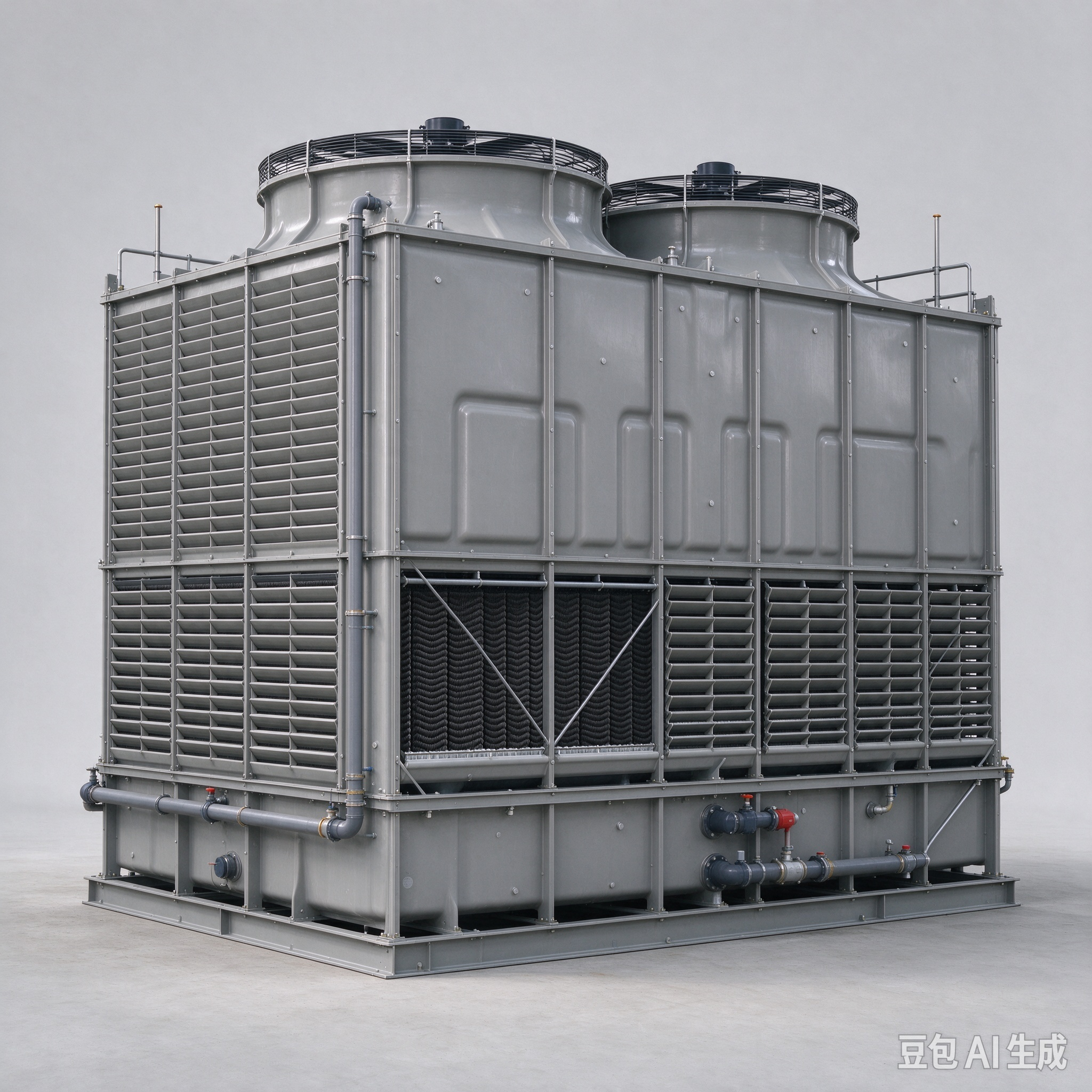
How often should cooling tower fill be cleaned? If you ask an experienced cooling tower engineer, the answer is usually: it depends on your water quality, operating conditions, and how quickly deposits build up. Some cooling towers can run for months without serious fouling, while others need much more frequent inspection and cleaning.
The important thing is not to wait until the cooling tower loses a large part of its cooling capacity. Regular inspection and timely cleaning can help maintain heat transfer, control pressure drop, and extend the service life of your cooling tower fill.
How Often Should Cooling Tower Fill Be Cleaned?
For many industrial cooling towers, a practical starting point is to inspect the fill every one to three months and carry out a more detailed inspection during scheduled maintenance. Actual cleaning frequency should be based on the condition of the fill rather than a fixed calendar schedule.
In relatively clean systems with effective water treatment, annual cleaning may be sufficient in some cases. In systems with high suspended solids, biological growth, or heavy mineral scaling, inspection and cleaning may be needed much more frequently.
Recommended Inspection and Cleaning Schedule
- Every 1–3 months: Inspect accessible areas for slime, sediment, scale, uneven water distribution, and visible blockage.
- Every 3–6 months: Review operating data, including cooling performance, water flow, and pressure drop, and decide whether a closer inspection is necessary.
- During annual maintenance: Inspect the cooling tower fill more thoroughly, check its physical condition, and clean it when deposits or blockages justify the work.
- After unusual operating events: Check the fill after a water treatment failure, major contamination event, prolonged shutdown, or sudden deterioration in cooling performance.
These intervals are general maintenance guidelines, not universal requirements. A cooling tower operating with dirty river water or heavy biological loading may need a different schedule from one using well-controlled industrial cooling water. Always follow the equipment manufacturer's instructions and your site's water treatment and safety procedures.
What Causes Cooling Tower Fill to Get Dirty?
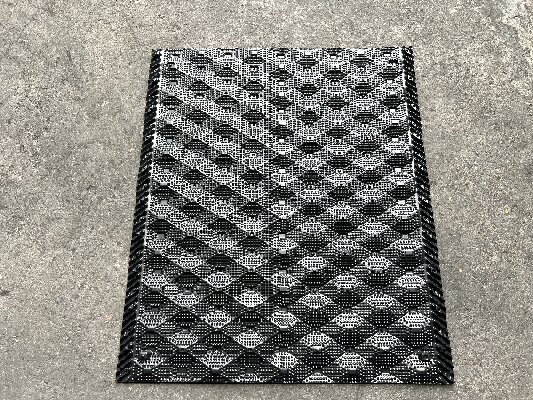
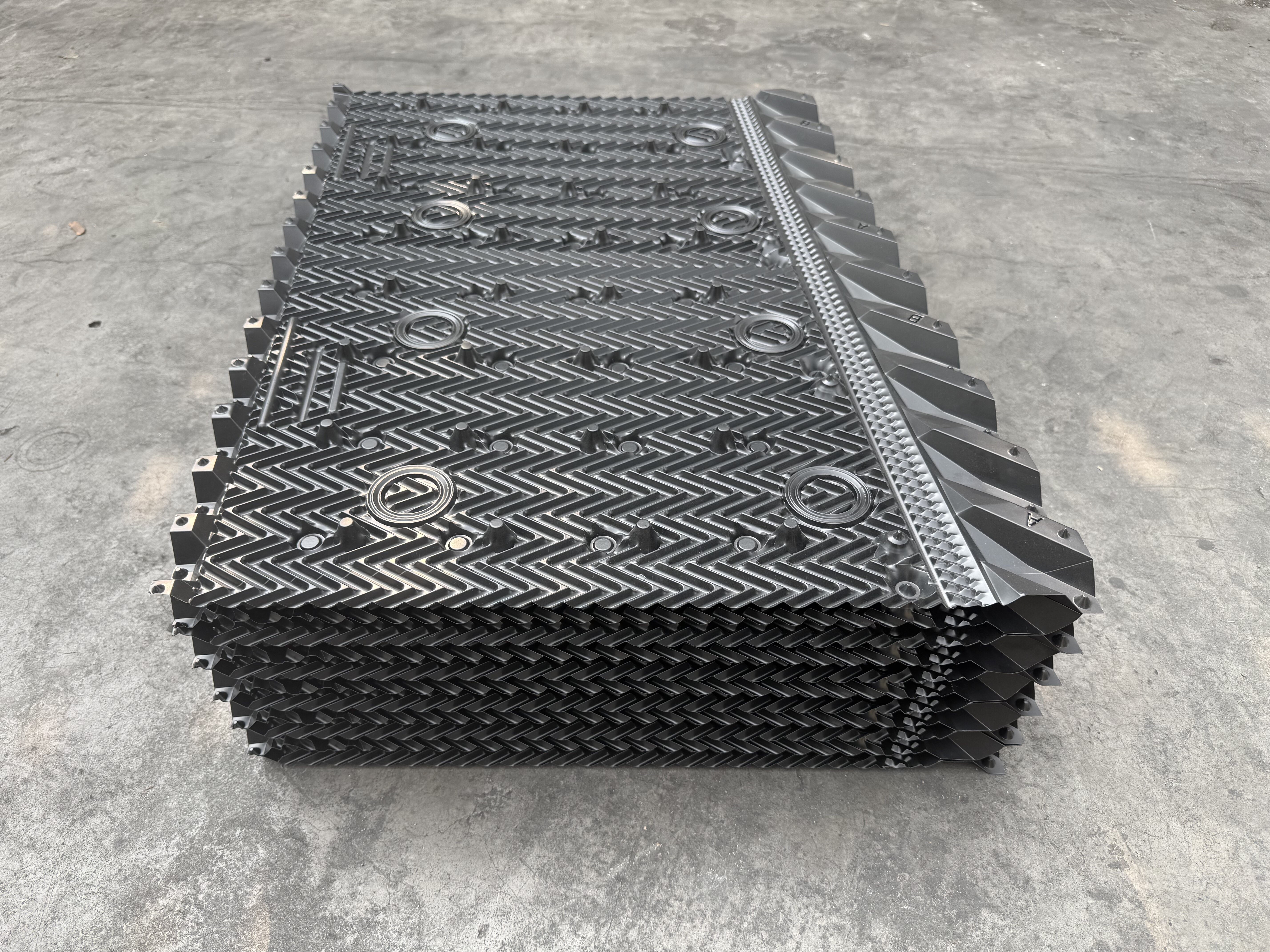
Cooling tower fill provides a large surface area for water and air to interact. This is what makes film fill in a cooling tower effective at transferring heat, but it also means that deposits can accumulate on the fill surface and between the corrugated sheets.
1. Scale from Hard Water
When water evaporates in a cooling tower, dissolved minerals remain in the circulating water. If mineral concentrations become too high, calcium carbonate and other deposits can form on the cooling tower fill. Over time, scale reduces the effective heat transfer area and can obstruct the narrow passages between sheets.
2. Algae, Slime, and Biological Growth
Warm water, sunlight, nutrients, and poor water treatment can encourage biological growth. Slime and algae may collect on the fill, restrict airflow, and interfere with even water distribution. A dirty cooling tower fill is not always a mineral scale problem; biological fouling may be the main cause.
3. Dirt, Dust, and Suspended Solids
Cooling towers draw large volumes of air, so dust, leaves, fibers, and other airborne particles can enter the system. Industrial processes may also introduce suspended solids into the circulating water. These materials can accumulate in the fill passages and basin, especially when filtration and water treatment are inadequate.
4. Corrosion Products and Process Contamination
Rust particles, process leaks, and contaminants from upstream equipment can also contribute to fouling. If deposits return quickly after cleaning, investigate the source rather than repeatedly washing the fill without correcting the underlying problem.
Five Signs Your Cooling Tower Fill Needs Cleaning
You do not need to wait for a scheduled maintenance shutdown to recognize a potential fouling problem. The following signs are worth investigating.
1. The Cooling Water Is Not Getting Cold Enough
If the cooling tower can no longer achieve its normal cold-water temperature under comparable operating conditions, inspect the fill along with the water distribution system, airflow, and overall heat load. Fouled tower fill may be one of the reasons for declining performance.
2. Pressure Drop Across the Fill Is Increasing
Deposits can restrict the air passages between corrugated fill sheets. If the pressure drop across the fill increases compared with the normal operating baseline, check for blocked passages, excessive deposits, and airflow problems.
3. Water Is Not Distributed Evenly
Look for dry areas, uneven wetting, or concentrated streams of water. These conditions may indicate blocked nozzles, clogged fill passages, damaged distribution pipes, or incorrectly installed fill blocks. Cleaning the fill alone will not solve a distribution problem if the real cause is elsewhere.
4. Visible Slime or Heavy Mineral Deposits
During a safe inspection, check whether the fill surfaces are coated with slime, scale, or accumulated dirt. A thin deposit does not automatically mean the fill must be replaced, but heavy buildup that restricts water flow or airflow deserves attention.
5. Fan Power or Operating Costs Are Increasing
When fouling restricts airflow, the cooling tower fan may have to work against greater resistance. However, rising energy consumption can also result from fan problems, changing operating conditions, or other system issues. Compare the data with the tower's normal performance before deciding that the fill is responsible.
How to Clean Cooling Tower Fill Without Damaging It
Cleaning methods should match the fill material, the type of deposit, and the condition of the fill. PVC and PP cooling tower fill can tolerate different operating and cleaning conditions depending on the grade and design, so avoid treating every fill pack in the same way.
Step 1: Identify the Type of Deposit
Determine whether the problem is mineral scale, biological slime, sediment, or a combination of deposits. Different contaminants require different cleaning approaches. If you are unsure what has accumulated, consult your water treatment specialist before selecting a cleaning chemical.
Step 2: Shut Down and Isolate the Equipment Safely
Follow the site's lockout and tagout procedures before entering or working on the cooling tower. Control fan operation, electrical hazards, chemical exposure, and fall risks. Cooling towers can also present Legionella exposure risks, so cleaning and disinfection should follow a suitable site-specific risk assessment and applicable public health guidance.
Step 3: Remove Loose Dirt Carefully
Where the manufacturer permits it, use a controlled, low-pressure water rinse to remove loose dirt and sediment. Avoid excessive water pressure, which can deform thin sheets, damage bonds, or dislodge fill packs. Do not stand on unsupported fill media.
Step 4: Use a Suitable Cleaning Method
For mineral scale, use only a compatible descaling method approved for the fill material and other wetted components. For biological fouling, follow the site's water treatment and disinfection procedure. Never mix cleaning chemicals, and do not assume that a stronger chemical will produce a better result.
Step 5: Check the Fill After Cleaning
Inspect the corrugated sheets for cracks, deformation, brittleness, separation, and remaining blockages. Also check the spray nozzles, water distribution pipes, drift eliminators, and basin. A successful cleaning job should restore the intended flow paths without damaging the fill.
How Water Treatment Affects Cleaning Frequency
Cleaning is only one part of cooling tower maintenance. If the circulating water is poorly controlled, a freshly cleaned cooling tower fill can become fouled again surprisingly quickly.
- Control scale: Monitor water chemistry and cycles of concentration, and adjust treatment according to the system's operating conditions.
- Manage biological growth: Maintain an appropriate water treatment and disinfection program, including measures to manage Legionella risk.
- Reduce suspended solids: Use suitable filtration, basin cleaning, and debris control where necessary.
- Check water distribution: Confirm that spray nozzles are clear and that water reaches the fill evenly.
- Record operating data: Track cooling performance, pressure drop, water quality, and cleaning dates to identify recurring problems.
If the same deposits return soon after every cleaning, look for the root cause. Correcting water treatment or filtration problems can be more effective than repeatedly cleaning the cooling tower fill.
When Is Cleaning No Longer Enough?
Cleaning can remove deposits, but it cannot restore plastic that has become brittle, severely deformed, or structurally damaged. In these cases, a cooling tower replacement project may be more practical than continuing to clean and repair the existing fill.
Consider replacing the fill when you find:
- Cracked, brittle, or permanently deformed sheets.
- Fill blocks that have collapsed or separated and cannot be securely restored.
- Persistent blockage that cannot be safely removed.
- Repeated performance problems despite effective cleaning and water treatment.
- Fill material that is unsuitable for the current water chemistry or operating temperature.
Before replacing the fill, check the original fill dimensions, sheet spacing, flute geometry, installation method, airflow requirements, and water loading. A replacement product should suit the tower's actual operating conditions rather than simply fit into the available space.
For industrial applications, you can review our Industrial cooling tower fill options when planning a maintenance or replacement project.
Choosing Cooling Tower Media for Easier Maintenance
If your tower repeatedly suffers from fouling, it may be worth reviewing the fill design instead of simply shortening the cleaning interval. Standard film fill provides a large heat transfer surface, while anti-fouling designs may be more suitable for some applications with higher suspended-solids loading.
The right choice depends on water quality, operating temperature, the type of contamination, and the tower's thermal and hydraulic requirements. No fill design is completely maintenance-free, and an anti-fouling product cannot replace proper water treatment.
For systems where deposits are a recurring problem, take a look at our Anti fouling fill media to explore an alternative for suitable cooling tower applications.
A Practical Maintenance Checklist for Cooling Tower Fill
Before closing a maintenance job, make sure the following items have been checked:
- Inspect the fill for scale, slime, dirt, and blocked passages.
- Compare cooling-water temperatures with normal operating conditions.
- Check pressure drop and airflow where measurement points are available.
- Confirm even water distribution and clear spray nozzles.
- Look for cracked, brittle, or deformed fill sheets.
- Review water treatment, filtration, and biological control records.
- Record the cleaning date, observed condition, and any corrective actions.
This simple record helps maintenance teams decide whether the next inspection can follow the normal schedule or should be brought forward because fouling is developing too quickly.
Frequently Asked Questions
Can cooling tower fill be cleaned every year?
Yes, annual cleaning may be sufficient for some systems, but it should not be treated as a universal rule. Water quality, operating conditions, and actual fouling determine whether more frequent cleaning is needed. Regular inspections help you make that decision.
Does dirty cooling tower fill reduce cooling efficiency?
It can. Scale, slime, and sediment may reduce effective heat transfer area, interfere with water distribution, or restrict airflow. However, poor cooling performance can also result from fan problems, high heat loads, or insufficient water flow, so inspect the whole system before deciding on corrective action.
Can high-pressure washing damage film fill?
Yes. Excessive pressure can deform or damage thin plastic sheets and weaken bonded fill packs. Use only a cleaning method approved for the specific fill material and follow the equipment manufacturer's instructions.
How do I know whether to clean or replace cooling tower fill?
If the fill is structurally sound and the main problem is removable deposits, cleaning may be enough. If it is brittle, collapsed, permanently deformed, or repeatedly blocked, replacement may be the better long-term solution.
Does anti-fouling fill eliminate the need for cleaning?
No. Anti-fouling fill may help reduce deposit accumulation in suitable applications, but it still requires inspection, proper water treatment, and maintenance.
Final Thoughts
So, how often should cooling tower fill be cleaned? Start with regular inspections, use operating data to identify developing problems, and clean when the condition of the fill justifies it. The goal is not to clean as often as possible, but to keep the cooling tower performing reliably without damaging the fill or wasting maintenance resources.
If you are planning a cooling tower replacement or looking for fill media with specific dimensions, materials, or flute designs, share your operating conditions and requirements with our team. We can help you review suitable fill options for your project.