Why Cooling Tower Fill Causes High Pressure Drop
High pressure drop is one of those cooling tower problems that can gradually reduce system performance without being noticed right away. The fan may consume more power, airflow may become weaker, and the cooling tower may struggle to maintain the required water temperature. When this happens, the cooling tower fill is worth checking, especially if the problem has developed over time.
But here is something worth remembering: high pressure drop does not always mean the fill itself is defective. Fouling, poor installation, uneven water distribution, and an unsuitable fill design can all increase airflow resistance. Understanding the cause before replacing the fill can save both time and money.
What Does High Pressure Drop Mean in a Cooling Tower?
Pressure drop is the difference in air pressure between the inlet and outlet of a section of the cooling tower. As air passes through the fill, it encounters resistance from the corrugated sheets, water films, droplets, and other internal components.
Some resistance is normal. A well-designed film fill cooling tower needs sufficient contact between air and water to transfer heat effectively. However, when resistance becomes excessive, the fan has to work harder to move the required volume of air.
In practical terms, excessive pressure drop can lead to:
- Higher fan power consumption and operating costs.
- Reduced airflow through the cooling tower.
- Unstable cooling performance during periods of high demand.
- Uneven air distribution across the fill pack.
- Additional stress on the fan and drive system if the operating point changes significantly.
The key is to find out whether the extra resistance comes from the cooling tower fill, another internal component, or the overall air system.
Why Does Cooling Tower Fill Cause High Pressure Drop?
1. Fouling and Scale Build-Up Between Fill Sheets
This is one of the first things I would check on an operating cooling tower. Over time, suspended solids, mineral scale, biological growth, and other deposits can accumulate between the fill sheets.
As the passages become narrower, air has less space to move through the fill. The problem can be especially serious in industrial cooling towers where circulating water contains high levels of suspended solids or where water treatment is not well controlled.
In heavily fouled systems, simply increasing fan speed is rarely the best long-term answer. It may increase energy consumption without restoring the original airflow distribution.
Depending on the condition of the fill, cleaning may be sufficient. If the sheets are severely blocked, brittle, deformed, or damaged, cooling tower replacement of the affected fill sections may be the more practical option.
For systems where deposits are a recurring problem, consider whether an anti-fouling fill media design is suitable for the water quality and operating conditions. No fill design is completely immune to fouling, so water treatment and routine inspection still matter.
2. Fill Sheet Spacing Is Too Narrow for the Operating Conditions
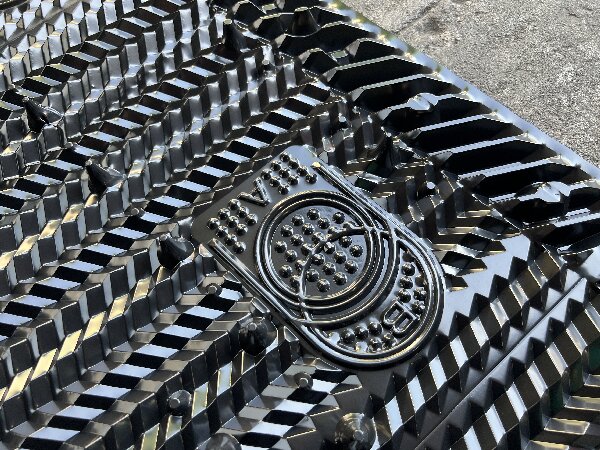
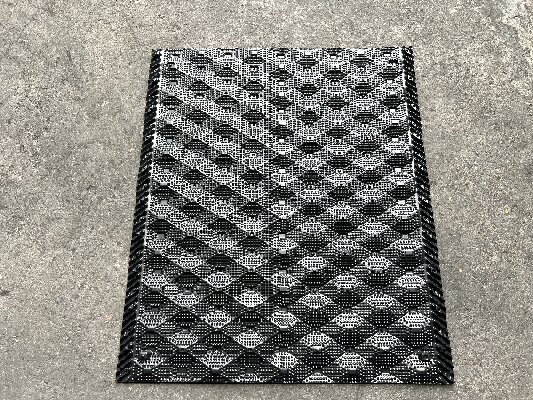
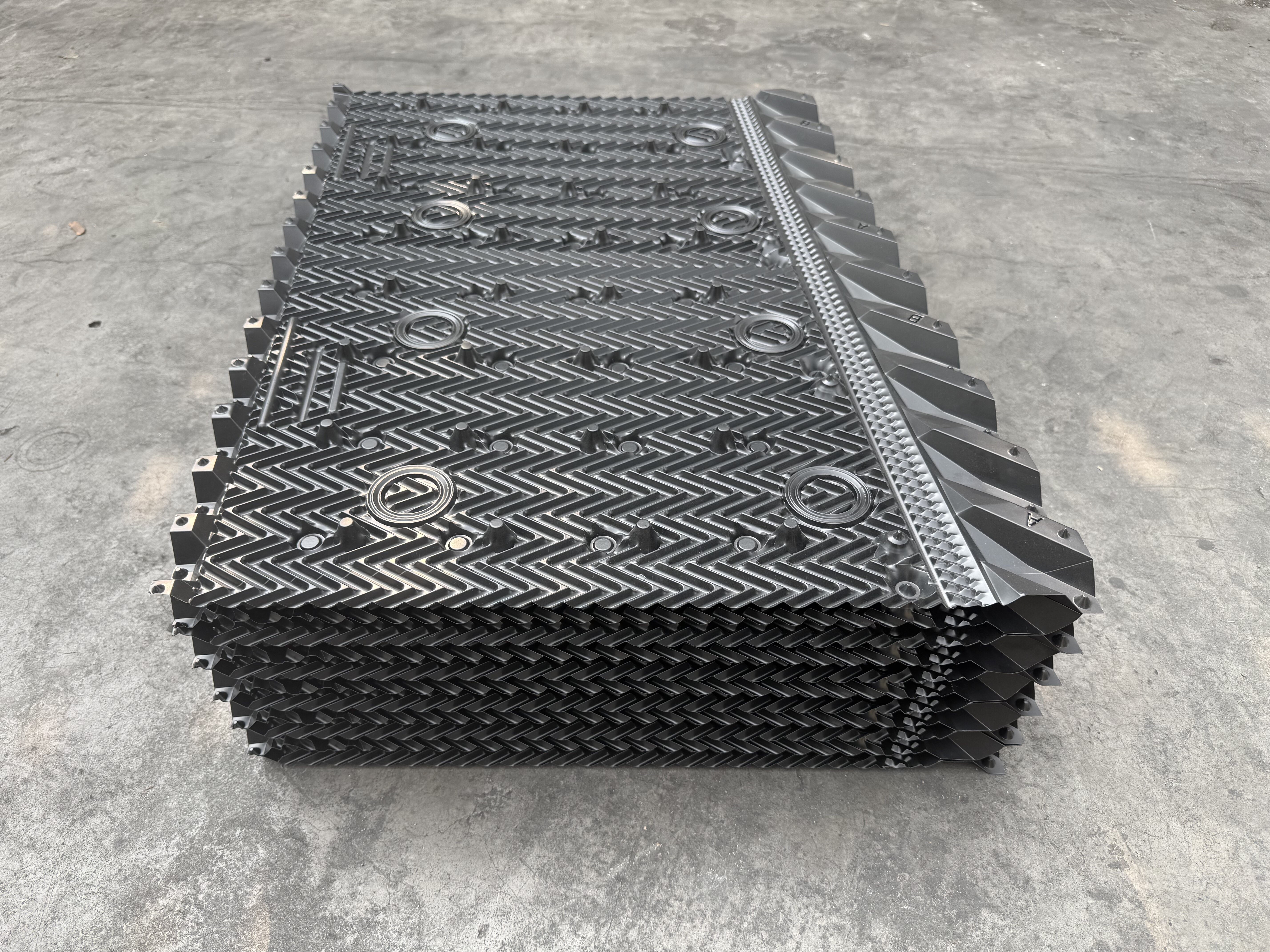
Film fill works by spreading water into thin films over a large surface area. Corrugated fill sheets create passages that encourage air-water contact, improving heat transfer within a relatively compact space.
However, narrower passages can be more sensitive to suspended solids, scale, and biological growth. A fill design that works well with clean water may become troublesome when used with dirty or poorly treated circulating water.
This does not mean wider sheet spacing is always better. Wider passages can reduce blockage risk, but they may also change heat transfer performance and the required fill volume. Engineers need to balance airflow resistance, thermal performance, water quality, and the available installation space.
When selecting Corrugated fill or other Cooling Tower Media, look at the complete operating conditions rather than choosing a product based on sheet spacing alone.
3. The Fill Design Does Not Match the Cooling Tower
Not every fill pack is suitable for every cooling tower. Counterflow and crossflow towers have different airflow and water distribution arrangements, and their fill systems need to be evaluated accordingly.
If the fill geometry, pack depth, or passage arrangement is unsuitable for the required airflow, the pressure drop may be higher than expected. Installing a fill pack with different dimensions or characteristics from the original design can also affect the tower's overall performance.
Before changing the fill, check the tower type, design airflow, circulating water flow, operating temperature range, and allowable pressure drop. It is also important to consider drift eliminators, louvers, air inlets, and other components that contribute to total system resistance.
For a counterflow application, review the available counter flow fill media options against the tower's original design data. The right choice should meet both thermal requirements and airflow limitations.
4. Fill Packs Are Installed Incorrectly
Even good-quality tower fill can perform poorly when it is not installed correctly. Gaps between fill blocks, crushed sheet edges, misaligned packs, and incorrect installation depth can disturb airflow and water distribution.
In some cases, tightly packed or deformed sections create local restrictions. In others, air follows the path of least resistance through gaps, leaving parts of the fill underused. This can reduce effective heat transfer even when the fan is running normally.
During an inspection, check whether the fill blocks are aligned, properly supported, and installed according to the intended arrangement. Also look for sagging, broken supports, and areas where deposits have collected unevenly.
5. Water Distribution Is Uneven
Cooling tower fill is designed to work with a particular water loading and distribution pattern. If some areas receive too much water while others remain relatively dry, local airflow resistance can become uneven.
Excessive water loading in certain areas may increase the resistance to airflow, while poor distribution can reduce the effective heat transfer area. Blocked nozzles, damaged distribution pipes, and incorrect spray patterns are common items to investigate.
Before deciding that the fill needs replacement, inspect the water distribution system as well. A new fill pack will not solve the underlying problem if the water is still being delivered unevenly.
6. The Fill Is Deformed or Has Reached the End of Its Service Life
Heat, chemical exposure, mechanical loading, and long-term aging can change the shape of PVC or PP fill sheets. If the sheets soften, warp, collapse, or press against one another, the original air passages may become restricted.
Material selection matters here. PVC cooling tower fill is widely used in many cooling tower applications, while PP cooling tower fill may be preferred under certain higher-temperature or chemical-service conditions. The correct choice depends on actual operating temperatures, chemical compatibility, mechanical requirements, and the manufacturer's specifications.
If the fill has lost its shape or structural integrity, cleaning alone will not restore the original passages. In this situation, replacing the damaged sections with appropriately specified fill is worth evaluating.
How to Identify the Real Cause of High Pressure Drop
Before ordering new cooling tower fill, compare the current operating conditions with the tower's original design data. A useful investigation usually follows a few straightforward steps.
- Measure the pressure drop. Use suitable instruments and compare readings at consistent operating conditions with the manufacturer's design values or reliable historical readings.
- Check airflow and fan operation. Review fan speed, blade condition, motor loading, and other factors that may affect the actual operating point.
- Inspect the fill pack. Look for scale, sludge, biological growth, crushed sheets, deformation, and blocked passages.
- Check water distribution. Inspect nozzles, distribution pipes, and the uniformity of water loading across the fill.
- Inspect other tower components. Drift eliminators, louvers, screens, and air inlets can also contribute to excessive resistance.
- Compare results with the design requirements. Determine whether cleaning, repairs, airflow adjustments, or fill replacement are likely to address the root cause.
For a meaningful comparison, keep water flow, fan operating conditions, and measurement locations as consistent as possible. Pressure drop can change with airflow and water loading, so a single reading without operating context may be misleading.
Can You Reduce Pressure Drop Without Losing Cooling Performance?
Yes, but the solution depends on why the pressure drop is high. Removing deposits, restoring water distribution, and correcting installation problems can often improve performance without changing the fill design.
If the fill itself is unsuitable for the water quality or required airflow, a different geometry may be worth considering. However, reducing pressure drop should never be the only design target. A fill pack that offers low resistance but insufficient heat transfer may fail to meet the required cooling duty.
When evaluating a replacement, engineers should consider:
- Required cooling capacity and design approach temperature.
- Allowable air-side pressure drop and available fan capacity.
- Water quality and the risk of fouling or scaling.
- Fill material, operating temperature, and chemical compatibility.
- Existing fill dimensions, pack depth, and support arrangements.
- Installation access, maintenance requirements, and expected service life.
The aim is to achieve a sensible balance between thermal performance, airflow resistance, reliability, and operating cost—not simply to choose the fill with the lowest quoted pressure drop.
When Should You Consider Cooling Tower Fill Replacement?
Cleaning is often worth trying when the fill remains structurally sound and the main problem is removable deposits. Replacement becomes more attractive when the sheets are badly deformed, heavily damaged, repeatedly blocked, or no longer suitable for the operating conditions.
When planning cooling tower replacement fill, confirm the original dimensions, sheet spacing, fill arrangement, material requirements, and tower configuration. If the original specifications are unavailable, an inspection and review of the operating data can help establish a suitable replacement specification.
For industrial applications, replacement fill should be selected around the actual cooling duty and airflow requirements. A direct dimensional match is not always enough if the tower has been modified or its operating conditions have changed.
Final Advice: Treat Pressure Drop as a System Problem
High pressure drop is a useful warning sign, but it does not automatically mean the cooling tower fill is the only problem. Fouling, incorrect installation, poor water distribution, unsuitable fill geometry, and restrictions elsewhere in the tower can all contribute.
Start with measurements and a careful inspection. If the fill is still in good condition, cleaning or correcting the underlying operating issue may be all that is needed. If the fill is damaged or fundamentally unsuitable, selecting the right replacement can help restore airflow while maintaining the cooling performance the system needs.
Whether you call it Cooling tower Fill, film fill, Corrugated fill, or tower fill, the important thing is to match the media to the tower's real operating conditions—not just its dimensions.
If you are evaluating replacement options or need help matching fill specifications to an industrial cooling tower, contact our team to discuss your project. Sharing the tower type, existing fill dimensions, water conditions, and available operating data will help us identify suitable options.