Signs Your Cooling Tower Fill Needs Replacement: A Practical Guide for Industrial Users
Signs Your Cooling Tower Fill Needs Replacement: A Practical Guide for Industrial Users
Cooling tower performance problems are not always caused by the fan, pump, gearbox, or water treatment system. In many industrial cooling towers, the real problem is sitting quietly inside the tower: the cooling tower fill.
Because fill is constantly exposed to circulating water, heat, chemicals, scale, biological growth, and airborne dirt, it gradually loses its original performance. The tricky part is that cooling tower fill usually does not fail overnight. In most cases, efficiency slowly drops until operators begin noticing higher process temperatures, increased energy consumption, or difficulty maintaining the required cold-water temperature.
So how do you know whether your film fill cooling tower only needs cleaning or whether the tower fill should be replaced completely?
After working with cooling tower systems for years, one simple rule is worth remembering: don't wait until the tower completely loses performance before inspecting the fill. There are usually several warning signs much earlier.
1. Cooling Performance Is Getting Worse Without an Obvious Reason
This is usually the first sign operators notice.
If the cooling tower used to maintain the required outlet water temperature but is now struggling under similar operating conditions, the Cooling Tower Media should be inspected.
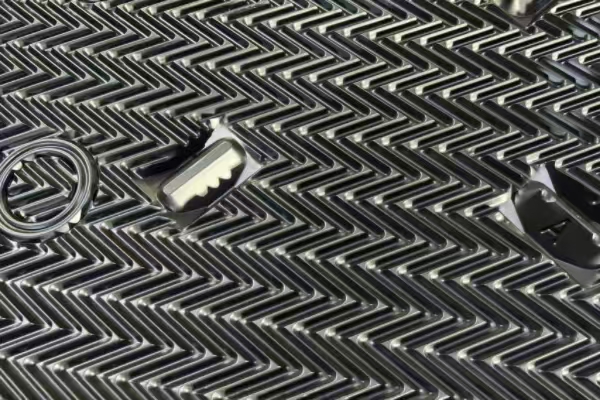
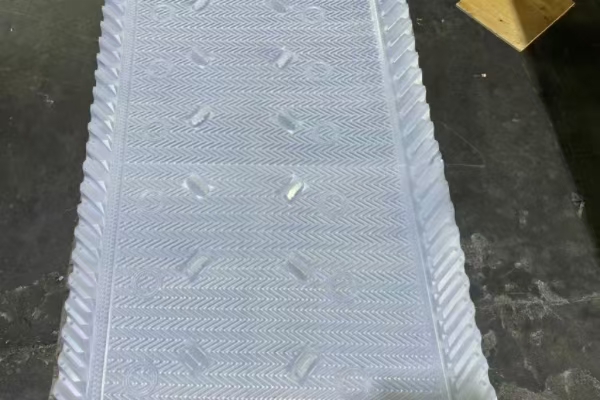
Film fill works by spreading water into thin films across a large heat-transfer surface. When the surface becomes blocked, damaged, or deformed, water distribution becomes uneven and the effective heat-transfer area decreases.
You may notice:
- Higher cold-water temperatures
- Reduced cooling capacity during peak production
- Longer operating time to achieve the same cooling result
- Difficulty maintaining design approach temperature
- More frequent complaints from process operators
Of course, these symptoms can also be caused by fan problems, poor water distribution, or incorrect airflow. But if the mechanical equipment is operating normally, inspecting the cooling fill is one of the smartest places to start.
2. The Fill Surface Is Covered With Scale, Dirt or Biological Growth
Fouling is one of the biggest enemies of a cooling tower.
Over time, minerals in the circulating water can form hard scale on the surface of Corrugated fill. Dust and suspended solids can settle between the sheets, while algae and biological growth may develop in warm and poorly maintained systems.
A small amount of surface contamination may be cleaned. However, when fouling becomes severe, cleaning does not always restore the original performance.
Signs of serious fouling include:
- Fill channels are partially or completely blocked
- Hard mineral deposits cannot be removed easily
- Water is bypassing the fill instead of flowing through it
- Visible algae or biological slime is present
- Airflow resistance through the fill has increased
In dirty water applications, replacing damaged or heavily blocked fill with a more suitable structure may provide a better long-term solution than repeatedly cleaning the old media.
For systems with frequent fouling problems, it is worth considering Anti fouling fill media designed with structures that help reduce clogging and make maintenance easier.
3. The Film Fill Is Becoming Brittle or Cracking
Physical aging is another common reason for cooling tower replacement.
PVC film fill is durable, but it is not indestructible. Long-term exposure to heat, chemicals, UV radiation, and continuous water circulation can gradually reduce the material's flexibility.
A simple inspection can reveal a lot. If the fill sheets crack easily when touched, pieces are breaking away, or the surface feels unusually brittle, the material may have reached the end of its useful service life.
Once cracking starts, small pieces can break off and create additional problems downstream. Loose pieces may block water distribution nozzles, collect in the basin, or interfere with other tower components.
Replacing a few damaged sheets may work for a localized problem. But if brittleness is visible across a large section of the tower, complete cooling tower replacement of the fill pack is often the more practical option.
4. The Fill Sheets Are Deformed or Collapsing
Cooling tower fill must maintain its designed geometry to perform properly.
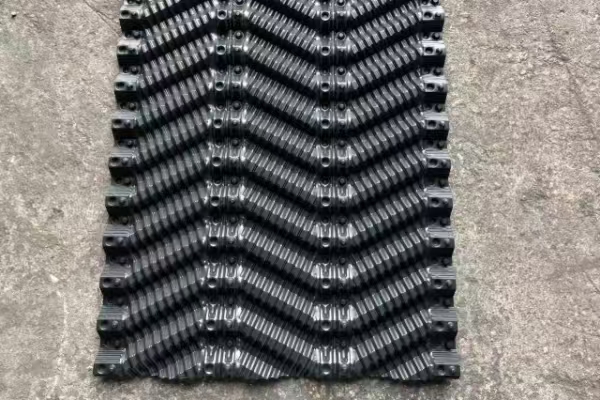
The spacing between sheets, flute angle, corrugation pattern, and airflow channels all affect heat transfer and pressure drop. When the fill becomes warped, compressed, or collapsed, those carefully designed flow paths disappear.
Common causes include:
- Excessive operating temperature
- Incorrect material selection
- Heavy scale accumulation
- Poor structural support
- Mechanical damage during maintenance
- Long-term chemical exposure
Deformed cooling fill often creates uneven water flow. Some areas may receive too much water while others remain dry. Air can also bypass damaged sections instead of passing evenly through the fill pack.
At this stage, cleaning alone will not solve the structural problem.
5. You Are Seeing Large Pieces of Fill in the Cold Water Basin
This is one warning sign that should not be ignored.
If pieces of film fill or broken corrugated sheets are regularly found in the basin, the fill pack is clearly deteriorating.
A few damaged pieces after mechanical maintenance may not be a major issue. But repeated breakage usually indicates material aging or structural failure.
Operators should inspect:
- The condition of the fill sheets
- Fill support structures
- Operating temperature history
- Water chemistry
- Possible chemical attack
- Mechanical vibration inside the tower
If damage is widespread, replacing the affected fill section before the material breaks down further can prevent more expensive maintenance later.
6. Water Distribution Through the Tower Looks Uneven
Good water distribution is essential for efficient heat transfer.
When water flows evenly across the fill surface, it forms thin films and creates maximum contact with the moving air. But when the fill channels are blocked or damaged, water may start channeling through only certain areas.
You may see:
- Dry sections inside the fill pack
- Heavy water flow concentrated in one area
- Water bypassing the fill surface
- Uneven wetting patterns
Sometimes the distribution system is responsible. But if the nozzles and spray pipes are working properly, the condition of the Film fill should be checked carefully.
7. Fan Energy Consumption Is Increasing
Not every fill problem is immediately visible from outside the tower.
When fouling blocks airflow channels, resistance through the fill pack increases. The fan may need to work harder to move the same amount of air through the tower.
This can result in:
- Higher fan energy consumption
- Reduced airflow
- Increased operating costs
- Lower cooling efficiency
This is why replacing old cooling tower fill is sometimes an energy-efficiency decision rather than simply a maintenance decision.
A properly selected fill design can help restore heat-transfer performance while maintaining reasonable airflow resistance.
8. The Fill Has Been in Service for Many Years
There is no universal replacement schedule for cooling tower fill.
Service life depends on water quality, operating temperature, chemical treatment, maintenance practices, and environmental conditions. A well-maintained tower may keep its fill for many years, while another system operating with aggressive water chemistry may experience problems much sooner.
Instead of replacing fill based only on age, it is better to combine several factors:
- Visual inspection
- Cooling performance
- Physical condition of the material
- Pressure drop and airflow
- Fouling level
- Operating history
Age alone does not mean replacement is necessary. But an old fill pack showing several of the warning signs above should definitely be evaluated.
Cleaning vs Replacement: How to Make the Right Decision
This is probably the most common question from industrial users.
If the fill is structurally sound and contamination is mainly on the surface, professional cleaning may restore performance. However, if the material is brittle, cracked, collapsed, severely scaled, or permanently blocked, cleaning may only provide a short-term improvement.
Cleaning may be suitable when:
- The fill structure is still intact
- Fouling is moderate
- No major cracking is visible
- Airflow channels remain open
- The material is still flexible
Replacement is usually the better option when:
- The fill has become brittle
- Large areas are cracked or broken
- Channels are permanently blocked
- Sheets are deformed or collapsed
- Cooling capacity continues to decline after cleaning
In many industrial projects, replacing old fill can also be an opportunity to upgrade the tower with a more suitable design rather than simply installing the same structure again.
Choosing the Right Replacement Cooling Tower Fill
Replacing cooling tower fill is not simply about matching the old sheet size.
Before selecting new media, several factors should be reviewed, including tower type, water quality, operating temperature, airflow, available installation space, and maintenance requirements.
For industrial cooling systems
Industrial facilities often operate continuously and require reliable cooling performance. In these applications, fill selection should balance heat transfer efficiency, mechanical strength, and long-term operating stability.
You can explore our Industrial cooling tower fill options for replacement and retrofit projects where operating conditions require more than a standard one-size-fits-all solution.
Other factors to consider before replacement
- Cooling tower type: Counterflow and crossflow towers require different fill configurations.
- Water quality: Dirty or high-solid water may require larger flute spacing.
- Operating temperature: Material selection should match the actual water temperature.
- Fill thickness: Thickness affects strength and durability.
- Sheet geometry: Corrugation design influences heat transfer and pressure drop.
- Installation dimensions: Replacement fill should match the tower's available space and support system.
A Simple Field Inspection Checklist
If you are not sure whether your cooling tower fill needs replacement, start with a basic inspection.
- Check for broken or brittle sheets
- Look for severe scale accumulation
- Inspect for algae and biological fouling
- Check whether airflow passages are blocked
- Look for deformation or collapsed sections
- Compare current cooling performance with historical data
- Check for fill fragments in the basin
- Inspect water distribution across the fill surface
You do not always need a complicated laboratory analysis to identify a serious fill problem. A careful visual inspection combined with operating data can often tell you whether cleaning is still practical or whether replacement should be planned.
Final Thoughts
Cooling tower fill is one of those components that operators often forget until performance problems become impossible to ignore. But waiting too long can lead to higher energy consumption, unstable process temperatures, increased maintenance costs, and unexpected downtime.
If your Cooling Tower Media is heavily fouled, brittle, cracked, deformed, or no longer delivering the cooling performance your system requires, replacement may be the smarter long-term investment.
The key is not simply buying new tower fill. It is choosing a fill structure and material that actually matches your cooling tower design and operating conditions.
If you are planning a cooling tower fill replacement or retrofit project, you can contact us with your tower dimensions, existing fill specifications, operating temperature, and water conditions. Our team can help evaluate suitable cooling tower fill options for your application.